AACR 2024

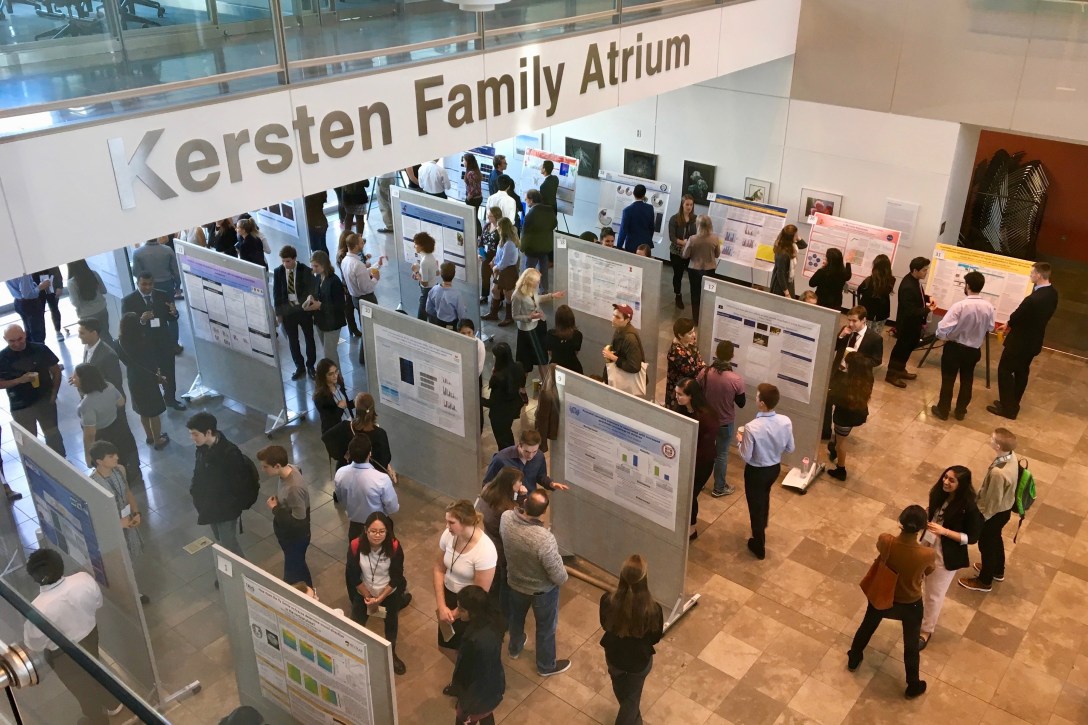
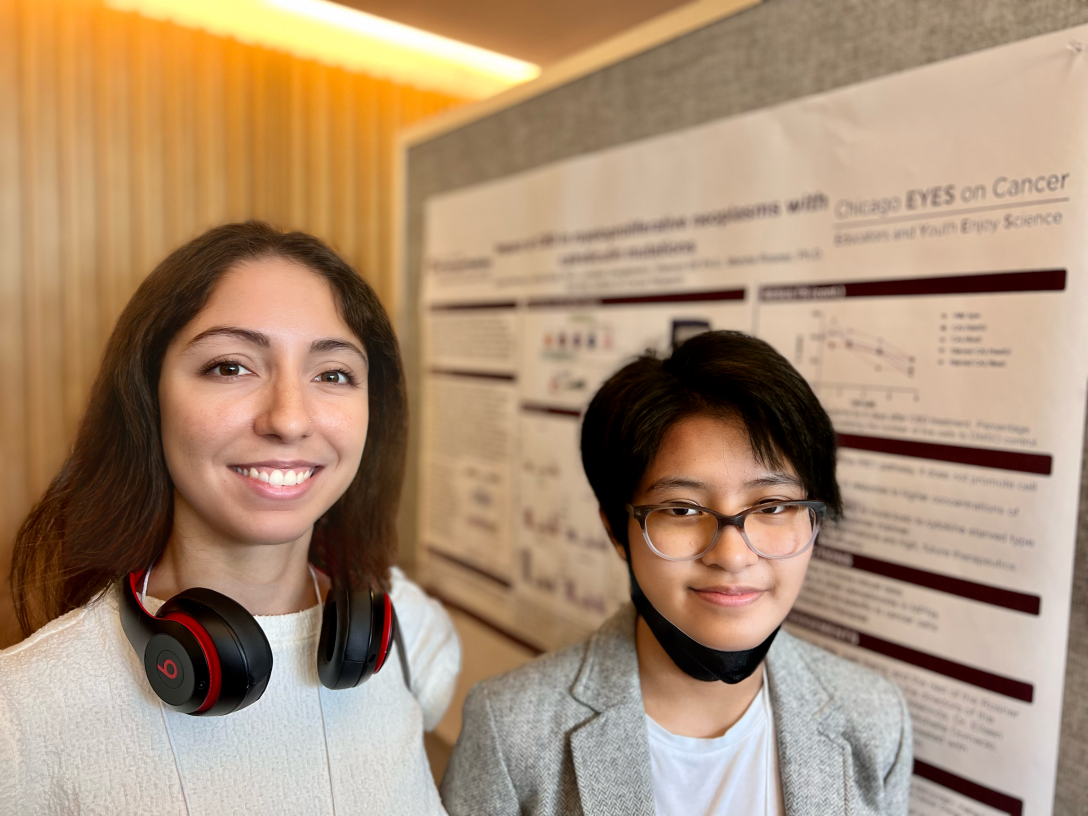
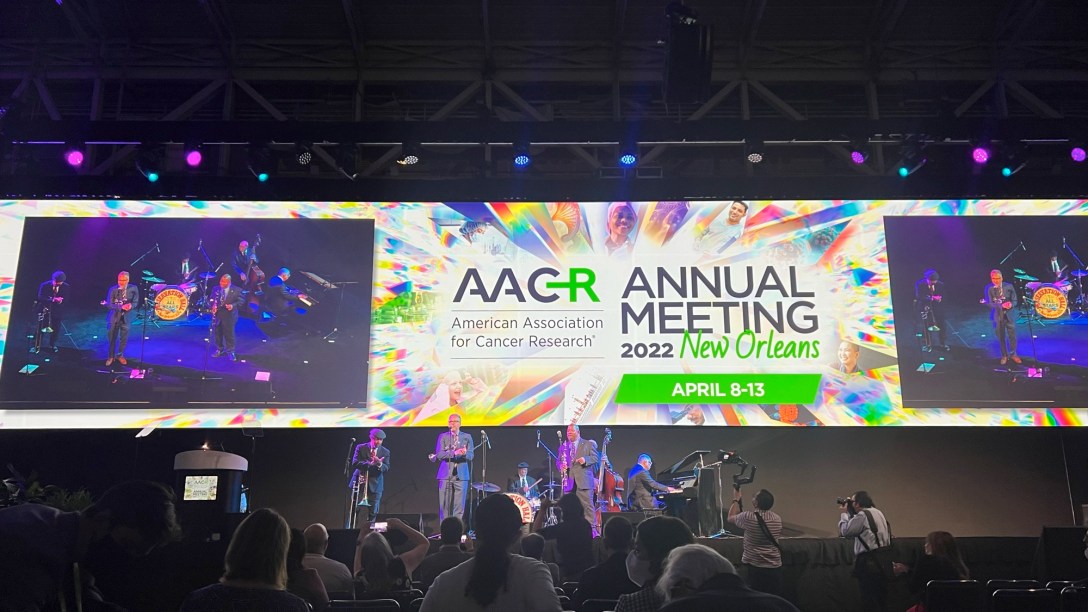
At this years AACR Conference in San Diego, the undergraduate students were able to present their research and learn from all that AACR has to offer! Read about their experience below!

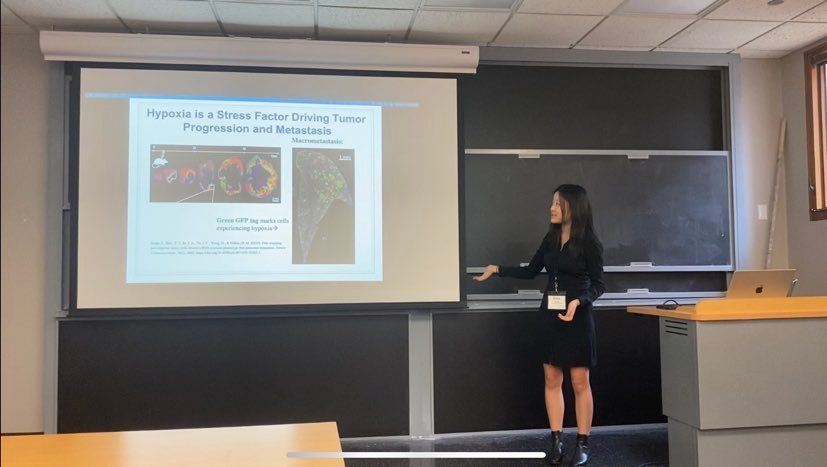
Thomas: I had the opportunity to attend metastasis and therapy resistance-related lectures by established scientists that broadened my perspective of my ongoing projects in the Rosner Lab. I also met breast cancer and colorectal cancer survivors leading nationally recognized patient advocacy groups. Their perspectives taught me about the importance of science advocacy and the role scientists can play to disseminate scientific findings and connect with different stakeholders in the cancer community. 

Kent: This year was my first time attending the AACR Anual Meeting, so I was very thankful for the opportunity to present my poster and discussing my research with others. I was especially inspired after attending Dr. John Dr. Carpten’s talk, a co-author on my poster and member of the National Academy of Medicine. Hearing his new findings in cancer disparities, by utilizing cutting-edge spatial transcriptomics techniques, makes me so excited to continue my work.

Emily: I loved speaking with patient advocates about their perspectives on how we can ensure that findings from cancer research are equitably distributed and well-communicated. It was also particularly inspiring to have the chance to hear from individuals in the Women in Cancer Research subgroup about their unique experiences navigating male-dominated environments. 

Karen: I gained a lot from participating in the undergraduate poster competition, where I had the chance to speak to judges with diverse areas of expertise, and develop my ability to explain my research clearly and engagingly to others. It was very rewarding to receive an honorable mention in the competition! One memorable project I saw was conducted by a surgical resident at MSK, who researched how to potentiate a mismatch repair-proficient subset of colorectal cancer patients to respond to immunotherapy.
Welcome to Lab, Joana!

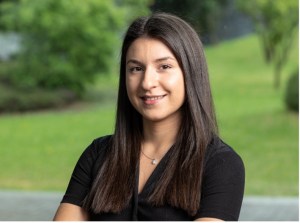
Joana Pinheiro, a PhD student from the University of Minho (Portugal) under the supervision of Dr. Olga Martinho, has been honored as one of the recipients of the R&D@USA Scholarship, granted by the Luso-American Foundation for Development. This scholarship, intended for Masters, Doctorate, and Junior Researchers, enables them to pursue research internships in the USA, focusing on innovative scientific and technological subjects. With this scholarship, Joana will be able to pursue an internship as a visiting student in the Rosner Lab and work on ongoing projects.

Congrats Emily and Wenchao on your Fellowships!

Wenchao was awarded the Susan G. Komen CHETP fellowship. This program is funded by a Susan G. Komen TREND (Training Researchers to Eliminate Disparities) grant along with a gift from CIBC bank and philanthropic support. These funds enable Master’s students, PhD students and postdoctoral fellows to train in cancer health disparities by gaining valuable experience and perspective in clinical, community and policy engagement.

Emily was awarded a University of Chicago Stamps Scholarship, selected among 272 exceptional students from over 473,000 applications. On the basis of academic performance, leadership, dedication to service, and character, the award provides a merit enrichment grant of $20,000 to support her research and other endeavors over the course of her third and fourth years in the College. The 2023 cohort includes students attending 37 partner institutions in the US and UK. 

72nd Lindau Nobel Laureate Meeting

We are excited to announce that postdoctoral scholar Long Nguyen recently presented at the 72nd Lindau Nobel Laureate Meeting (Physiology/Medicine)! The Lindau Nobel Laureate Meeting is an international gathering of Nobel Laureates and young scientists to enhance scientific exchange across generations, cultures, and disciplines. 38 Nobel Laureates were in attendance at this year’s meeting.

Not only was Long among the 600 Young Scientists invited worldwide, but Long also invited to present his research at the Next Gen Science Program (Genetics, Biochemistry and Cell Biology). Long presented his work investigating BACH1 proline hydroxylation’s regulation of the hypoxia response and metastasis in TNBC. Congratulations Long for his extraordinary achievement!

Undergraduate Fellowships!

Congratulations to all of our undergraduate students for receiving multiple fellowships to continue their research in the Rosner Lab!

CCRF Quad Undergraduate Research Fellowship 2022-2023 – Thomas Li, Emily Shi

BSCD Summer 2023 Fellowship – Karen Lee, Kent Schechter

BSCD Research Honors Summer 2023 Fellowship – Thomas Li

CCRF Quad Undergraduate Research Fellowship 2023-2024 – Thomas Li

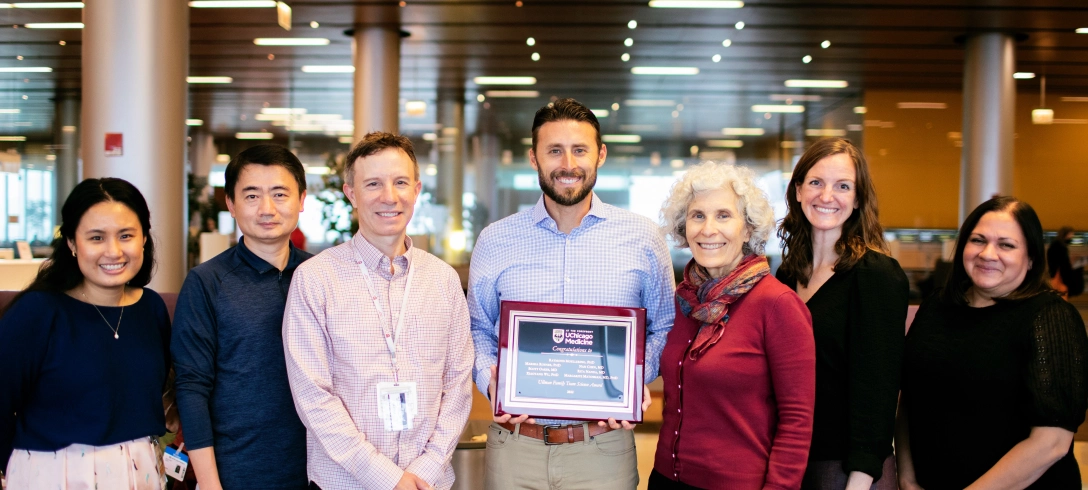
Rosner Lab awarded Ullman Family Team Science Award for innovative breast cancer research

The University of Chicago Medicine Comprehensive Cancer Center has announced that a team of researchers, jointly led by Raymond Moellering, PhD, Marsha Rosner, PhD, Scott Oakes, MD, and Xiaoyang Wu, PhD, has won the Ullman Family Team Science Award for their proposal to investigate novel therapies for triple-negative breast cancer, an aggressive and difficult-to-treat form of the disease.

The Ullman Family Team Science Award recognizes researchers who use a collaborative approach to develop innovative approaches to treat cancer. The winning team, which includes researchers from diverse scientific backgrounds, aims to study potential treatments for triple-negative breast cancer, which lacks the three major breast cancer drug targets (estrogen receptor, progesterone receptor, and HER2 protein).

Triple-negative breast cancer is notoriously hard to treat, as it does not respond to hormone therapy or the targeted, anti-cancer drug Herceptin. Treatments are limited primarily to radiation and chemotherapy, which can be hard on the patient. The proposed research project aims to gather preliminary data on a novel therapy and drug delivery system that could lead to a more effective and less toxic treatment of aggressive breast cancers.

The team will investigate methods to block certain transcription factors and a cell-permeable drug delivery system, which they will test in models of triple-negative breast cancer. The investigation draws on the expertise of a seven-member team of researchers representing a range of disciplines, including breast cancer cell biology, clinical trials of breast cancer therapies, and outcomes for breast cancer patients.

The Ullman Team Science Award provides financial support to the team to collect the data necessary to compete for federal grants, such as a National Cancer Institute Specialized Programs of Research Excellence (SPORE) grant and National Institute of Health Research Program Project Grants (P01s). These grants support the development of novel approaches for treating cancer and improving patient outcomes.

The Ullman family has a long history of supporting cancer research at the University of Chicago. The award was presented in memory of Donald Ullman, who was diagnosed with cancer in 2009. The family established the Ullman Family Scholars Fund in Cancer Immunology, the Ullman Family Fund in Cancer, and the Ullman Family Team Science Award in gratitude for the outstanding care Donald received from the University of Chicago Medicine.

The winning team’s research has the potential to significantly advance the field of breast cancer treatment and improve outcomes for patients.

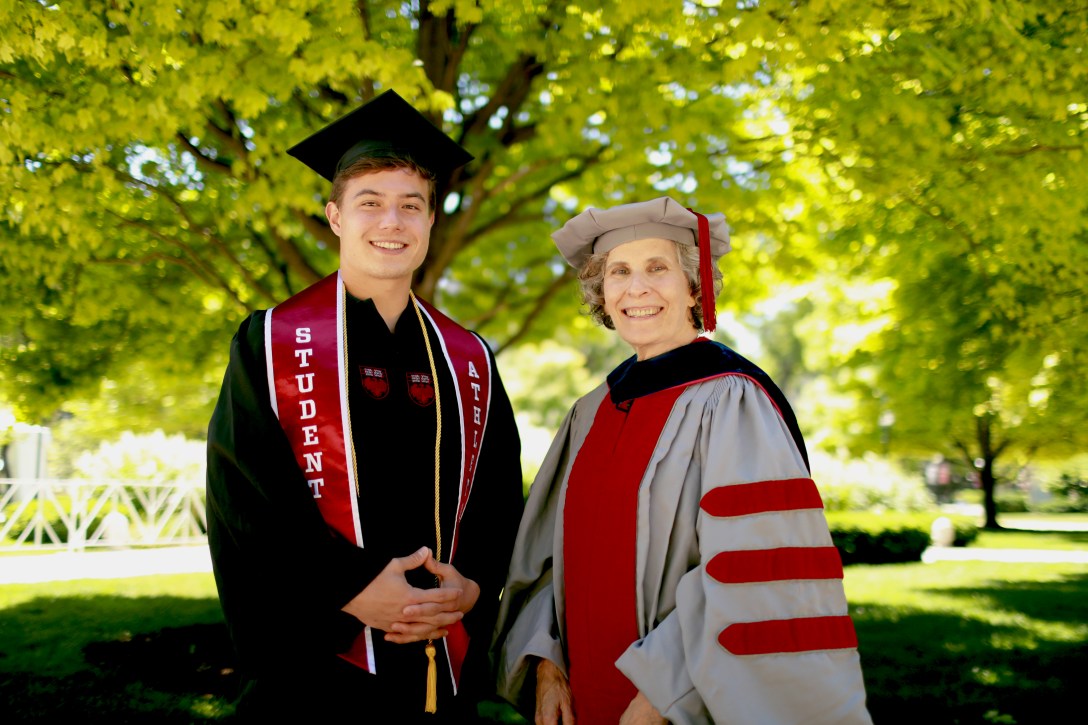
Dr. Rosner Named Distinguished Service Professor

We are pleased to announce that Marsha Rich Rosner has been appointed as the Charles B. Huggins Distinguished Service Professor in the Ben May Department for Cancer Research and the College. The Distinguished Service Professorship is one of the highest honors awarded to faculty members at the University of Chicago. This prestigious title is reserved for scholars who have demonstrated exceptional achievements in their fields of research and have made significant contributions to the university and the broader academic community. Distinguished Service Professors are recognized as leaders in their disciplines, and their work has a profound impact on advancing knowledge and understanding in their respective fields. This honor is a testament to the outstanding academic accomplishments and unwavering dedication to excellence that characterizes the University of Chicago’s faculty.

Rosner Lab at the 2022 Midstates Consortium Undergraduate Research Symposium

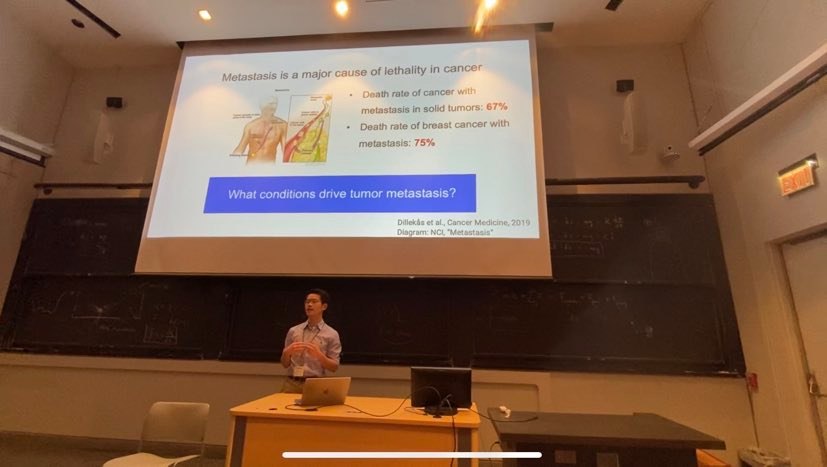
We are proud to have Thomas and Emily present their latest findings at the 2022 Midstates Consortium Undergraduate Research Symposium in the Biological Sciences and Psychology! The conference featured 110 students from the 12 universities of the Midstates Consortium.

Thomas and Emily’s research accomplishments stood out, and they were among the 32 students selected across the Midstates Consortium to present oral presentations. Thomas presented his findings on post-translational modifications that impact BACH1’s function as a metastatic transcription factor. Emily utilized bioinformatics to unravel BACH1’s role as an epigenetic regulator in cancer cells. Their presentations were well received by the audience. Both of their research projects were supported in part by the UChicago BSCD Summer Fellowship. Congratulations!

About the Midstates Consortium for Math and Science

The Midstates Consortium for Mathematics and Science was founded by the Pew Charitable Trusts in 1988. The Consortium seeks to improve undergraduate science and mathematics education by providing high-quality and flexible professional development opportunities for students and faculty at the member institutions. Major activities include two annual symposia on undergraduate research hosted at Washington University and the University of Chicago, faculty development workshops, and exchange programs that support visits of students and faculty members to other member schools to give presentations or to enhance research collaborations.

Undergraduate Symposium

Each fall for more than 10 years the two research universities in the Consortium, Washington University in St. Louis and the University of Chicago, host meetings designed for undergraduates to present the results of their own research projects to their peers and some consortium faculty. Washington University and the University of Chicago alternate hosting these meetings for students whose research involves the biological sciences and psychology and students whose work falls under the broader umbrella of physical sciences, mathematics and computer science. Students present in both oral and poster sessions. Also, each meeting includes a graduate student panel to answer questions from the undergraduates about applying, selecting and going to graduate school in the natural sciences. In the past few years both meetings have attracted nearly 100 students and more than a dozen faculty each.

Rosner Lab Receives NCI R01 Grant

We are excited to announce new funding from the National Cancer Institute. This 5-year grant supports our studies on the tumor microenvironment, specifically hypoxia, in triple negative breast cancer (TNBC). Hypoxia is a major cause of resistance to therapies. Thus, we hope to identify mechanisms to suppress the hypoxia stress response and reveal new paths to sensitize TNBC tumors to therapy. Please contact us if you are interested in post-doc opportunities! Candidates with expertise in bioinformatics are particularly encouraged to apply.

Continue reading “Rosner Lab Receives NCI R01 Grant”

Congratulations to our summer student Llyanna Mercado!

We celebrated Llyanna’s research achievements this summer at the Chicago EYES on Cancer and Diversity Research Symposium. Llyanna is one of several talented high school students from the Chicago area that were selected as summer research fellows. We had a great time hosting her this summer. Llyanna impressed the audience with her poster presentation, thanks to her hard work and Leticia’s mentorship!

Continue reading “Congratulations to our summer student Llyanna Mercado!”

Cannabidiol as a potential COVID-19 treatment

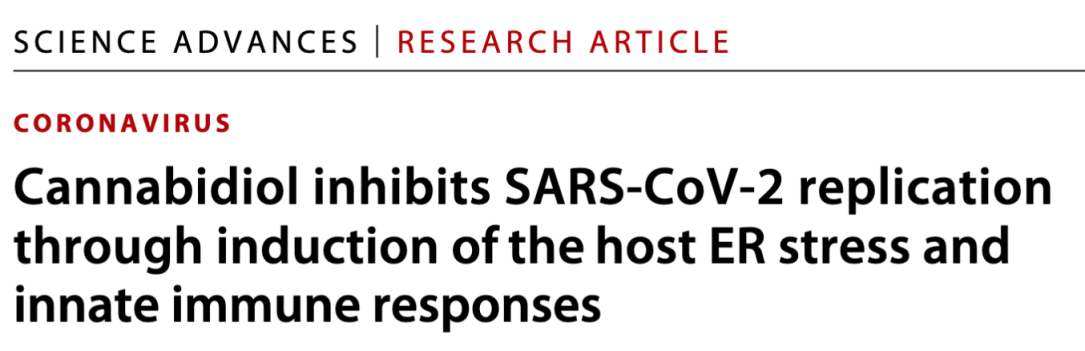
The Rosner Lab is pleased to announce our latest finding on bioRxiv (currently in peer-review): Cannabidiol Inhibits SARS-CoV-2 Replication and Promotes the Host Innate Immune Response. We demonstrate that cannabidiol (CBD), a non-psychoactive product of the cannabis plant, inhibits SARS-CoV-2 viral replication. CBD is a FDA-approved drug for an epilepsy disorder and is also used by millions of Americans as an alternative treatment for anxiety and other health conditions.

Key findings:

  • CBD acts after viral entry to block viral replication as demonstrated by loss of the viral spike protein and loss of viral RNA.
  • CBD induces expression of interferon genes involved in the host innate immune response to SARS-CoV-2 but inhibits viral-induced cytokine expression that could lead to a deleterious cytokine storm.
  • CBD inhibits replication of at least one other coronavirus, MHV, raising the possibility that it may inhibit other pathogenic human coronaviruses that could arise in the future.
  • A metabolite of CBD, 7-OH-CBD, is an effective inhibitor of SARS-CoV-2 at a concentration comparable to that in human plasma after patients took an FDA-approved CBD oral solution.
  • Analysis of a cohort of patients taking FDA-approved CBD showed up to a 10-fold decreased risk of SARS-CoV-2 infection compared to a matched set of control patients.

Disclaimer

We do not recommend self-administration of CBD. We also cannot recommend any particular products. We advocate a clinical trial(s) to determine CBD’s effect in human patients. We also advocate a COVID-19 vaccine when one is eligible/doses are available.

Link: https://www.biorxiv.org/content/10.1101/2021.03.10.432967v1